
Sea Cucumbers: Overlooked Treasures
Sea Cucumbers, though unassuming, play a crucial role in the marine environment and in the fisheries sector of the Philippines. They are related to sea stars and sea urchins, all falling under the scientific Family ‘Echinoderm’. (That’s Greek and means spiky skin) These are widely collected in the Philippines, which is considered a hot spot for sea cucumber fisheries. It is a highly prized delicacy that harnesses many medicinal properties and has a high demand for export. Though it is commercially exploited, no concrete management plans are implemented on protecting populations of sea cucumber species. In its dried form (trepang or beche-de-mer) sea cucumbers are even dubbed as “worth more than gold”, a phrase that is usually used to pertain to its expensive cost. Though another perspective for the phrase could be to consider its important role in the ecosystem and fisheries, and how it is sadly threatened with some species becoming more and more endangered year by year.
Sea cucumbers feed on decaying matter (they’re what called detritivores) and act as “cleaners of the sea”. In their waste nutrients like nitrogen is converted into a form that is able to be used by other seafloor organisms. This is especially important in coral reefs habitats that are oligatrophic, meaning that there is a very low amount of nutrients naturally occurring in the area. The stirring motion itself that some sea cucumber species make when they bury into the sand also aids in distributing nutrients and oxygen in the sediment, known as bioturbation. A lot of tiny animals on the seafloor also go to sea cucumbers when needing a place to crash or a free ride! They are the host for many symbiotic relationships wherein other organisms live in or on the body of the sea cucumber. An unusual example of this is the pearlfish, which are slender, and scaleless fish that are defenseless to predators and instead take refuge inside the anus of large sea cucumbers. Other organisms that instead ‘piggyback’ on the sea cucumber also treat it as a protected breeding site, highlighting the animal’s importance in conserving biodiversity and the natural cycles existing in the marine environment.
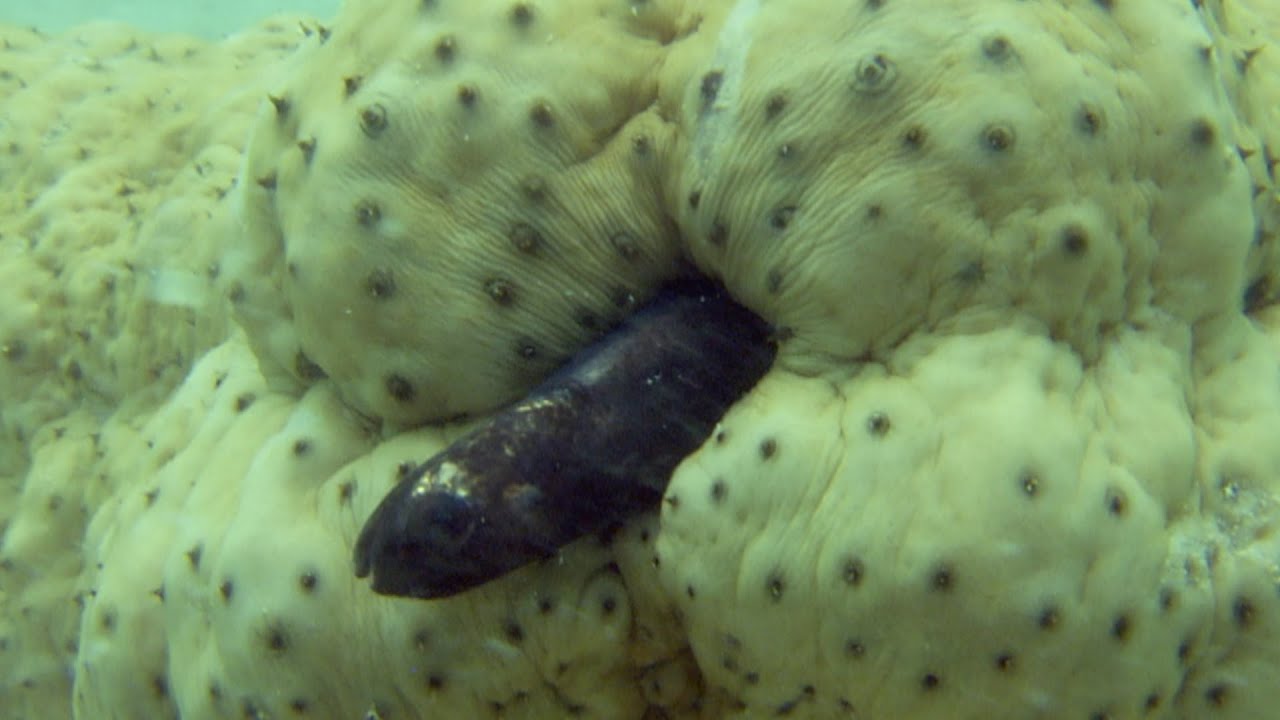
The Philippines is home to around 200 species of sea cucumber, of which 47 are commercially valuable both for local consumption and exports. The country is also the second largest producer of the commodity in Southeast Asia. The rich species diversity of sea cucumbers in the country has encouraged the exploitation of this resource though might not be sustained without effective management plans. However, some regulations including size limits and the prohibition of harvesting certain species have been initiated, though it is unknown if enforcement is effective or being achieved. A call towards sustainable fishery also includes determining existing stocks, in which MCP with its volunteer workforce aims to assist with its benthic surveys, where types and abundance of sea cucumbers are monitored. To protect the diversity and stocks of this marine resource is both to safeguard its essential role in the ecosystem, as well as preserve and replenish its populations to help fisherfolk generations of the present and future.
References
Arriesgado, E.M. et al. (2025). Catches and the Production of the Sea Cucumber Fishery of Mindanao, Philippines. The Philippine Journal of Fisheries 32(1): 112-124.
Choo, P.S. (2008). The Philippines: a hotspot of sea cucumber fisheries in Asia. In: Sea cucumbers: a global review of fisheries and trade. FAO Fisheries and Aquaculture Technical Paper No. 516, pp. 119-140.
Purcell, S.W. et al. (2016). Ecological roles of exploited sea cucumbers. Oceanography and Marine Biology: An Annual Review 54: 367-386.


