Youth Education
The children in classrooms along the coast of southern Negros Oriental will one day be its fishers, teachers, mayors and parents. What they decide about their reefs and mangroves will depend a lot on what they learn to value now.
So we bring lessons about their own coastline into local schools, taught by local teachers in the children's own language. And each year, we take teenagers out of the classroom for a few days at our Sea Camps.
Teaching in Local Schools
Since late 2022, our youth education has run in partnership with the German non-profit Pro Ocean, and today the programme has two full-time teachers. Both are professional educators from the area, and they teach in Bisaya (Cebuano), the language the children speak at home.
Our work in schools runs under a Memorandum of Understanding (MOU) with the Department of Education (DepEd), Schools Division of Negros Oriental, and the lessons are integrated into the curriculum.
The work keeps growing. In the 2025-26 school year alone, our teachers taught 6,906 students in 41 public schools across Zamboanguita, Siaton, Dauin and Bacong. On Saturdays they also take the lessons out to the barangays, with workshops on everything from mangrove planting to sorting plastic waste. Together, schools and workshops reached 4,339 children in 2025 and 5,887 in 2026, up from 2,512 in 2023-24.
Schools are visited in cycles, so our teachers see the same class a few times a year and build on what the children learned last time. The lessons started with mangrove ecology, a natural place to begin on a coast where we have planted 31,000 mangroves, and have grown to cover corals and seaweeds, fish and sea turtles, and solid waste management.
At a glance
- 2 full-time teachers
- 41 public schools
- 5,887 children reached in 2026
- 20,000+ children since 2015
- Lessons in Bisaya (Cebuano)
- MOU with DepEd Negros Oriental
- Sea Camps since 2019
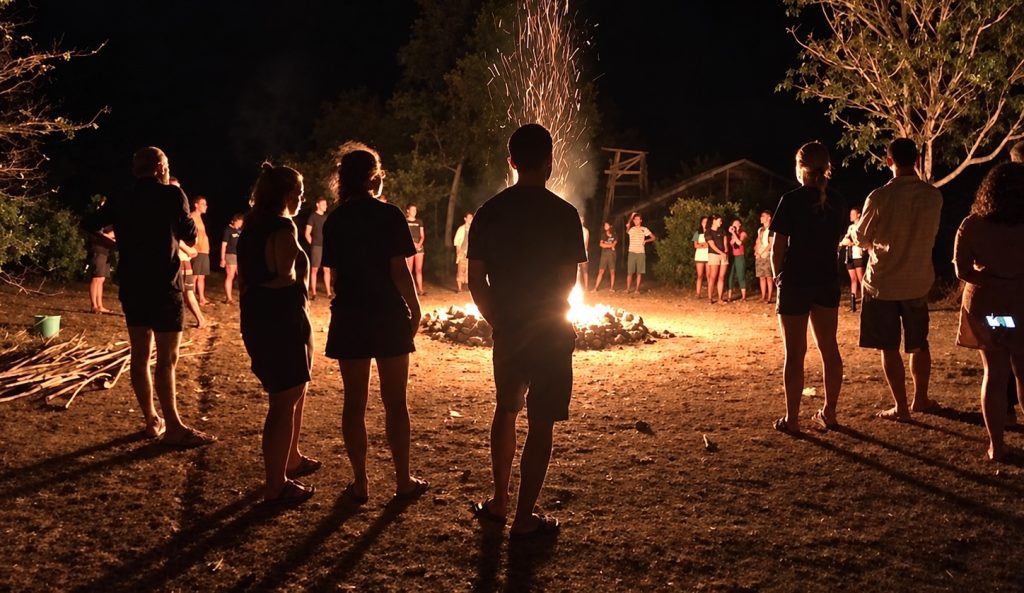
Sea Camps
Every year since 2019, apart from the pandemic years of 2020 and 2021, we have run Sea Camps for local teenagers, and some years there are two or more. Each camp is a little different, but over three days campers typically hear from our science team and guest scientists, explore the mangroves, clean up a beach and, for many of them, see a coral reef underwater for the first time.
Some camps have a special focus. In 2025, 50 young people from Zamboanguita applied for six places at our youth leader camp, which ended with the campers planning projects for their own communities, from clean-up drives to school outreach.
Read about our first Sea Camps in 2019 and the 2025 youth leader camp.
Why Teachers, Not Volunteers
In our early years, our volunteers taught in local schools themselves, and for two years they ran a monthly Environmental Club with students from Zamboanguita Science High School, with field trips, beach clean-ups and workshops on everything from mangroves to climate change. Before the pandemic, those visits reached around 10,000 children, but most of them only briefly.
Over time, though, the lessons started to feel repetitive, and we began to worry that the programme had become more about the volunteers than the children. A volunteer who stays a few weeks can't build on last month's lesson, and doesn't speak the children's language. When a change in DepEd policy made field trips hard to arrange, we took a hard look at the whole programme.
So we changed course. Lessons in schools are now taught only by professional, local educators. They reach more children in a year than our volunteers did, and they come back to the same classes to build on what was learned. Our volunteers put their time into scientific diving instead. You can read more in our ethical volunteering policy.
Free Lessons for Any Teacher
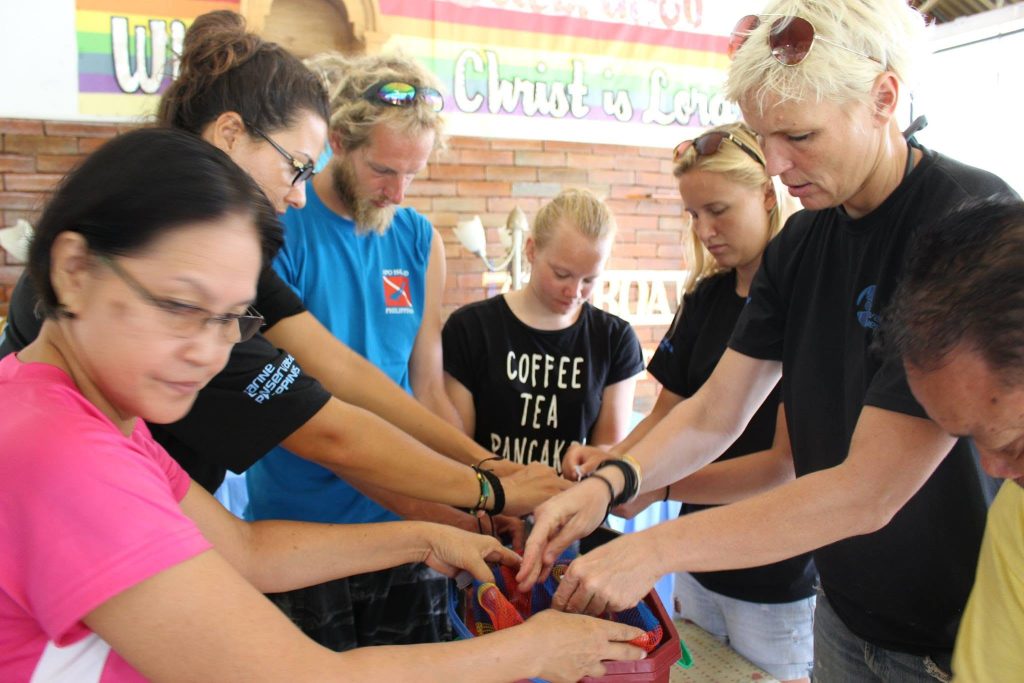
Our teachers use similar material in Bisaya, and we have published an English collection that any teacher can use for free. There are 20 modules, 54 lessons in all, for children and teenagers from 8 to 18, covering everything from coral reefs and sea turtles to plastic pollution and climate change. Several grew straight out of our own work on this coast. A few to start with:
Reef data lab
Ages 14 to 18
One of our favourites. Older students get real records from our reef surveys and work with them the way a scientist would, in an ordinary spreadsheet. First they hunt down the kind of errors every field dataset contains, then they put the clean data to work: does protection make a difference to the fish, and how did the coral fare through the 2024 marine heatwave? The module ends with each group choosing its own question and running a research project of a few weeks.
Fish of the reef
Ages 8 to 11
The same science for younger children. After working out why reef fish come in so many shapes, the class counts fish from pictures the way our divers count them underwater, then compares the tally with what our surveys found.
Fish, fishers and no-take zones
Ages 12 to 18
Opens with a game about sharing a catch, follows the story of the community reserve at Apo Island, just off our coast, and ends with students arguing for a sanctuary of their own at a mock council meeting.
Coasts, typhoons and nature's defences
Ages 14 to 18
A topic close to home in the Philippines. Students map where storm surges hit hardest, test in a wave tank how reefs and mangroves soften the waves, and weigh sea walls against nature's own protection.
Support Youth Education
A donation of any size helps keep our teachers in the classroom and our Sea Camps running.