SeaCamp
Engaging the youth through MCP’s Sea Camp!
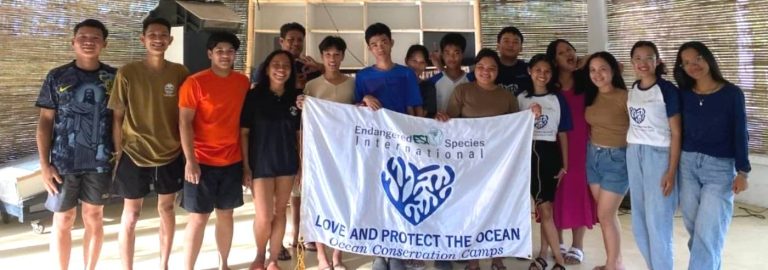
This summer, after almost two months of preparation, MCP held two of our first ever, three-day Sea Camps! We opened the application process for the first Sea Camp to diverse, local youths who were interested in learning about the marine environment. For the second, we partnered with a local orphanage based in Dumaguete. In total, we had 32 amazing and energetic teenagers with us for the two consecutive Sea Camps! Most of the activities were the same between the two camps; however, in the second camp, we focused more on alternative livelihoods. We taught them how to make pillows out of old hessian sacks and cotton from one of our trees, and invited a social enterprise, Lumago, to teach the campers how to upcycle used paper into jewellery.
The primary goal of the camps was to introduce the basics of various coastal ecosystems and understand their importance in our waters. Through awareness raising, they also learned why we need to take care of these ecosystems and act as environmental stewards for the world we live in. By understanding their purpose on this planet, they learned to love, appreciate and share their knowledge with their families and friends.
During the first camp, we teamed up with experienced camp facilitators, Jackie and Julia, from EECO (Experiential Education Conservation Organization) and two of their own youth camp graduates to help run the programme and empower our campers. Their knowledge and experience were invaluable for making the campers feel at home and engaged with all of our lessons.
Day one started with an introduction to the programme, “getting to know you” games and “ice breakers”, which helped bond the campers and sowed the seeds for lifelong friendships. Then we presented the three main coastal ecosystems (mangroves, seagrass and coral reefs) at different stations around the MCP base, where the campers had 20 minutes per ecosystem to learn as much as they could! The topics were very simple to understand, and we incorporated educational games focused on each ecosystem afterwards, to help solidify everything in their long-term memories. To top it all off, we went out to the mangroves in Siaton so they could experience the forest first-hand. It was the perfect end to the day, with a little meditation to embrace all of their experiences so far.
The campers started early on the second day with a walk around the botanical garden, to relieve some of the tension in their muscles. They even played volleyball as early as 6:30 am! After filling their stomachs with a full Filipino breakfast, we travelled to Dauin Marine Protected Area (MPA) where we conducted a beach clean-up and a simple brand audit. A brand audit is a method for cataloguing all the manufacturers and brands behind each piece of plastic packaging found. The sea campers were split into three groups, each with their own haul of plastic packaging from the beach clean-up. They found that the top three offenders were Universal Robina (e.g. Mang Juan), Liwayway (e.g. Oishi) and Prifood (e.g. Supercrunch). The campers learned that these plastics near the beach will break down into smaller pieces, be eaten by fish, and, in turn, eaten by humans. They all mentioned that they never used to think much about their actions, but that they now wanted to change their behaviour and influence their families to use less single-use plastic and dispose of their trash properly.
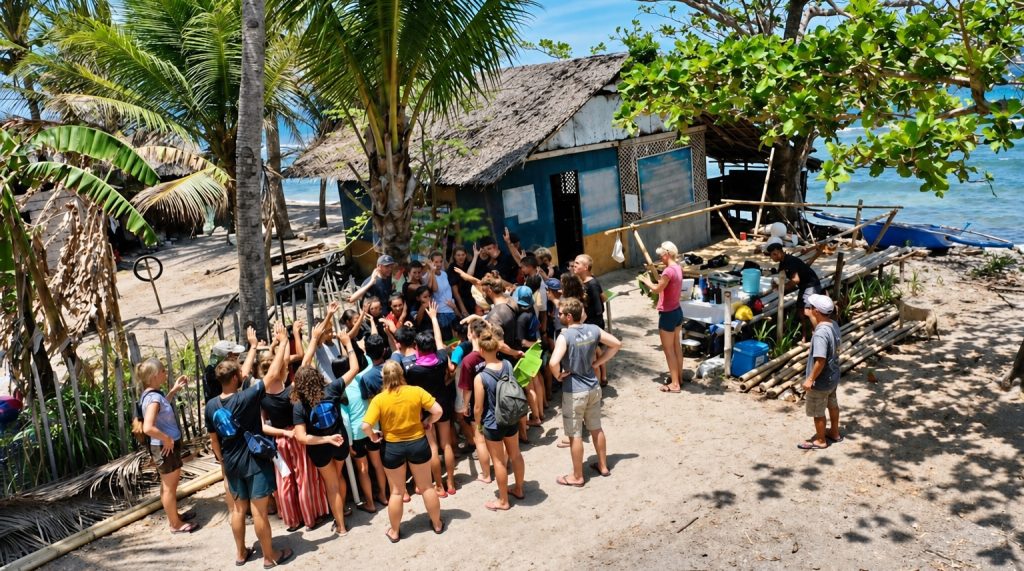
It was a hot day, so all of the campers couldn’t wait to jump into the ocean. Each camper was paired with an MCP volunteer who taught them how to use a mask and snorkel and showed them the beautiful coral reefs Dauin MPA has to offer. They were taught lots of signs so they could signal to their buddies which fish and corals they saw underwater! After 30 minutes, they all came out with big, happy smiles from ear to ear!
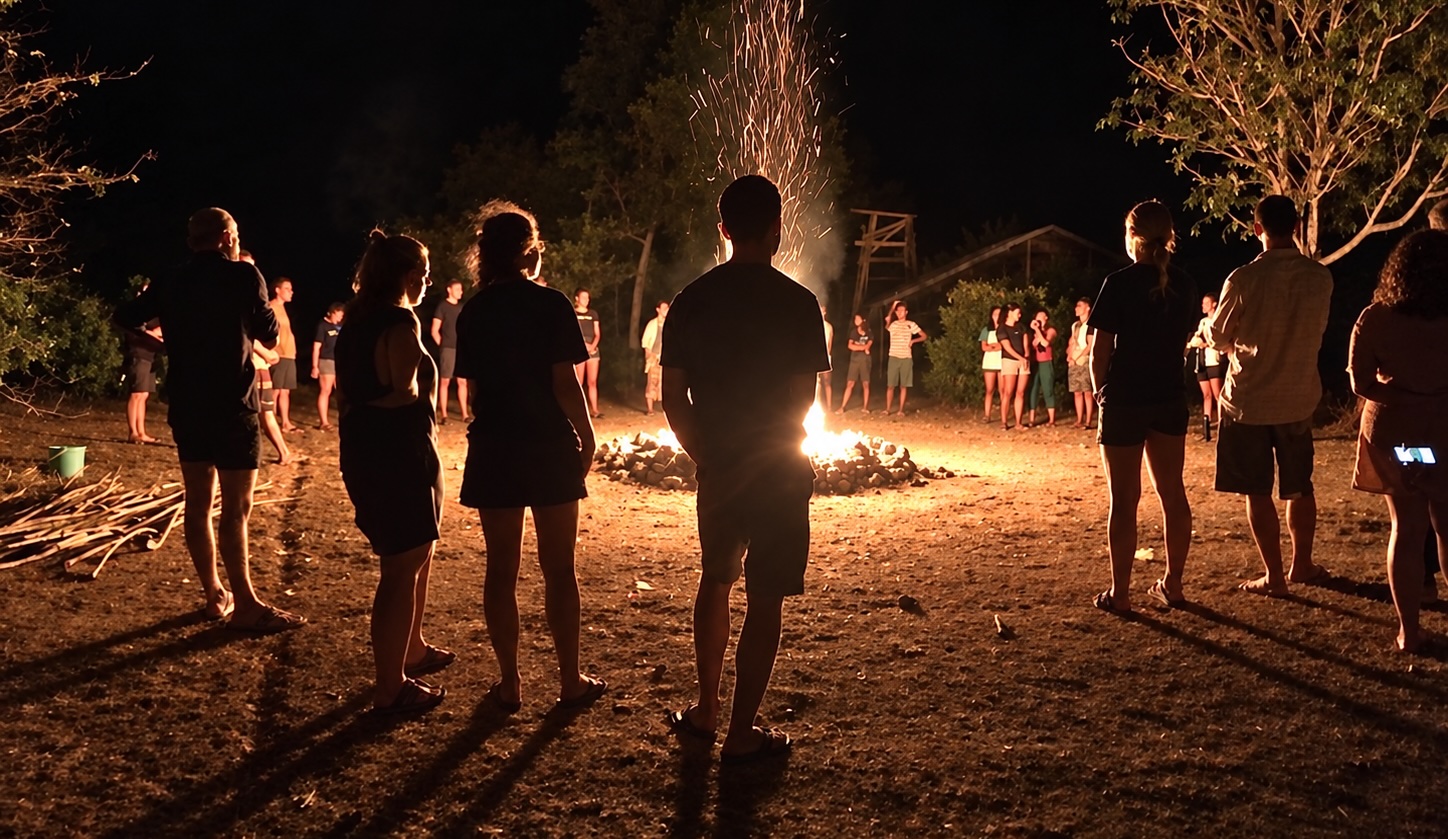
Of course, their day wasn’t over yet. We introduced them to the term “Marine Protected Area.” This was important for understanding the benefits of an MPA, and why the marine environment needs protection from anthropogenic threats. This was followed by a trip to a nearby fishing village, where they were able to recognise all the threats these ecosystems are facing. It was a revelation for most of them, and they asked a lot of enthusiastic questions. The second day ended with a campfire, where Nicky Dumapit shared his advocacy for the environment by playing his handmade instruments, made to imitate the sounds of nature, such as thunder, water, rain and even a gecko! It was a heart-warming and beautiful starry night, and all the campers shared their highlights of the last two days and how their experiences had encouraged them to reduce their plastic use and become true environmental advocates.
The last day of the camp focused on teaching the participants valuable skills that could help save their lives and gain employment in the future. They learned the basics of CPR, treatment of underwater stings, performed first aid and learned the recovery position. Some of them were even able to share previous experiences where they had needed these skills. They also learned nine different knots, and our staff taught them which to use in case of rescuing people in the water. All this hard work was rewarded with a traditional Filipino boodle fight, which is a type of lunch arrangement in which the table setting is garnished with banana leaves, rice is spread across the middle and surrounded by (in this case) a platter of vegetarian goodies.
We then spent our afternoon at the PAPSIMCO house, where they took part in an interactive game going through the different regulations in the Philippines pertaining to the marine environment. This is a significant topic to learn, so they can share the knowledge with their family members, who rarely know, for example, that all sea turtles are endangered and should be protected.
As a contribution to the marine environment, we finished the camp by planting Sonneratia mangrove seedlings, each marked with a little flag bearing the camper’s name. They all felt fulfilled, inspired and ready to share their knowledge and involvement with their classmates, families and local community, even offering to help MCP with our weekly beach clean-ups!
It was an amazing time, from preparation to execution, and just seeing the smiles of the youths learning new things during their summer break. A well-spent summer, indeed!
2026 Editor’s note: This first-ever Sea Camp turned out to be the start of an annual tradition. Roughly a decade on, the programme has grown considerably: a more recent camp drew 50 applicants, up from the 32 campers who took part here, and now includes a scuba dive alongside the mangrove tours and beach activities. Campers also spend their final day pitching their own community-based conservation projects, rather than closing with reflection alone. You can read about that more recent camp in Nurturing Ocean Advocates: Youth Leaders on Summer Sea Camp.