The Environmental Club of Zam-Sci-Hi
One of the main pillars of Marine Conservation Philippines is education. Although we have grand plans and want to organize frequent marine biology lessons on various topics for all schools in the area, we have to start small. Educating primary schools is even a bigger challenge, because in most schools the main language is Visayan. That changes when students go to secondary school and have English as their main language. Eventually we want to develop a program with different modules, provide teacher training and teach interest groups in the arboretum we live in as well. As anyone who has worked in the Philippines knows, you can have plenty of ideas, but implementation can be a drawn-out process.
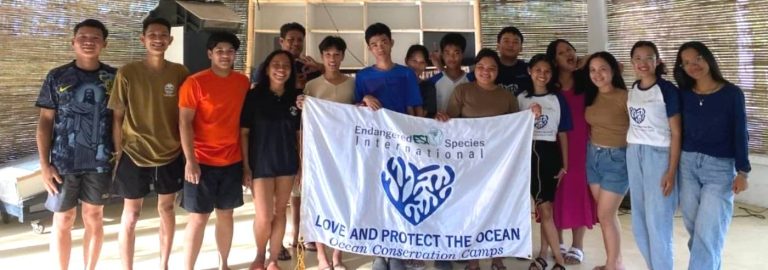
The most successful initiative we have employed so far is the Environmental Club of the Zamboanguita Science High School. This is a group of 13- to 16-year-old students interested in the environment. We meet one Saturday a month and organize a varying program of excursions and lectures. The students are motivated and easy to enthuse. Getting large numbers of teenagers to volunteer their Saturday mornings, starting at eight o’clock, is no small achievement, yet this program manages it consistently. Last school year we had between 20-40 students each meeting. This school year we started with 84!
In the first meeting, we brainstormed and talked about the activities from last year and what we would like to do this coming period. Snorkeling and mangrove replanting were successful last year, so we’ll do those again. New activities include a long hike through nature, camping at the arboretum we live in and learning more about whales and the complexity of the reef ecosystem.
We started with the topic that concerned teachers most: plastic pollution. Volunteers devised a program that also solved the logistical challenge of having 84 students on-site at once, using an activity carousel with four stations:
- A lecture on the dangers of plastic in the ocean, illustrated with stills from the well-known and distressing video below of a turtle having a straw removed from its nose, and on plastic accumulation in ocean garbage patches
- Designing posters warning others about what happens if plastic waste isn’t properly disposed of
- A beach clean-up
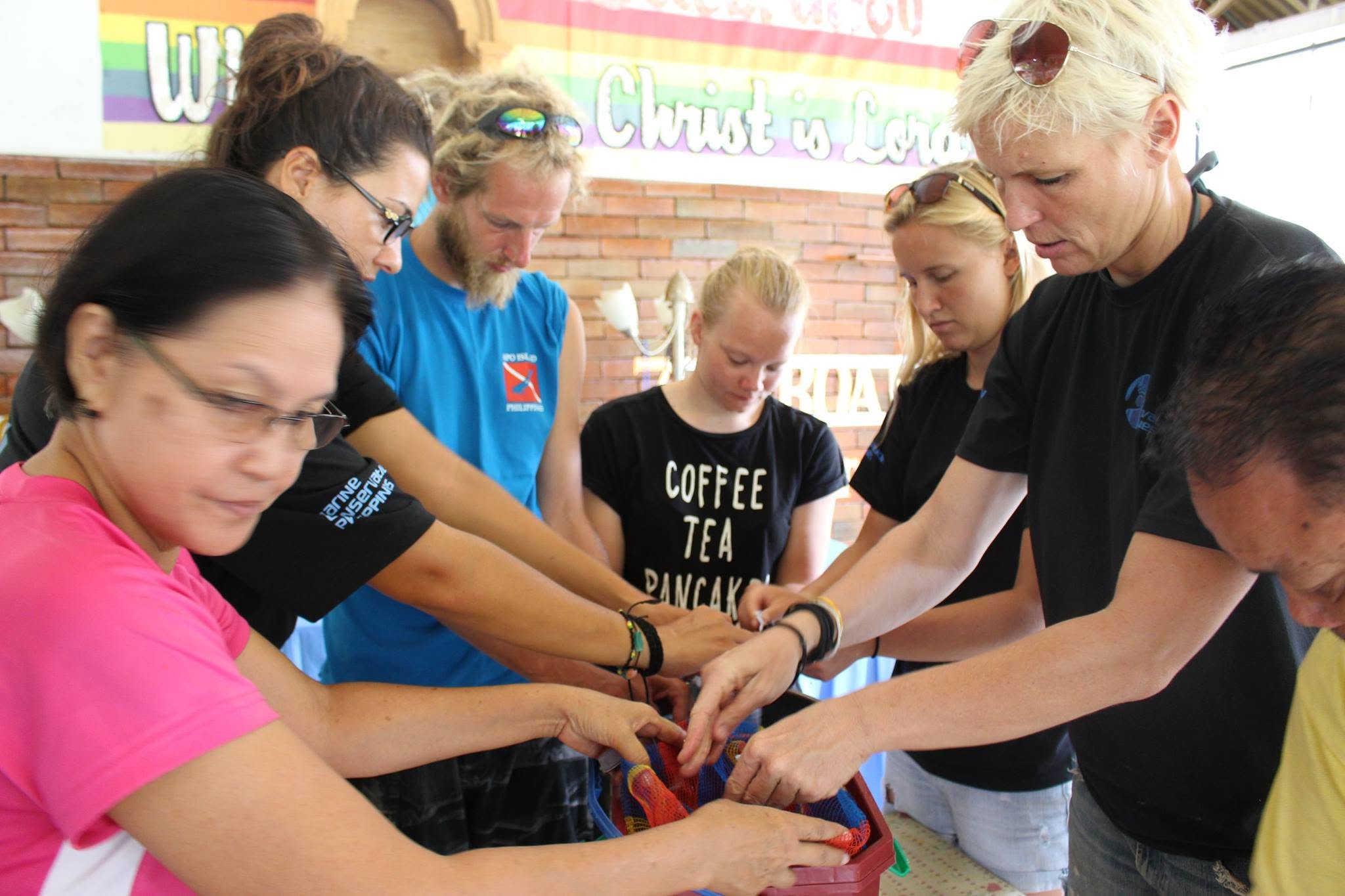
- An art project using collected garbage as material, with older grades building a bin out of plastic bottles
After a full morning of work, the results were impressive. Winners were awarded a reusable shopping bag.
In the coming year we will have excursions in which we replant mangroves, snorkel and look at the different creatures living under water, get a tour through the arboretum and learn more about the plants and trees that are growing there and do more beach clean-ups. The students will learn more about coastal ecosystems, including the mangroves and the seagrass, reef ecology and sea mammals and we will end the year with an MCP summer camp (actually spring camp, the school year ends in March). We are looking forward to a full year of activities!
Editor’s note — September 2026
This program ran for about two years before winding down around 2018, when a change in Department of Education policy made off-campus field trips increasingly difficult, and eventually impossible, to arrange. The spring camp mentioned at the end of this post was an early version of what later became SeaCamp, launched in 2019. Except during COVID we have been running SeaCamps every year since.
Since late 2022, MCP has partnered with Pro Ocean to fund two full-time teachers who delivers environmental education lessons directly in local schools, now integrated into the Department of Education curriculum. You can read more about our current youth education work here. Our work with children is governed by our child safety policy.