




Frequent sightings of sharks and mantarays
The Return of the Giants: Are Our Reefs Recovering or Just Reshuffling?
If you’ve been following our social media lately, you may have seen the footage: the beat of a manta ray’s wings, the shadow of a whale shark, or the cryptic face of a bamboo shark tucked into the reef. These aren’t just “lucky shots”; they are part of a massive shift we’ve been documenting right here on our local reefs.
Over the last 10 years, our MCP community has helped track a remarkable increase in elasmobranch (i.e., shark and ray) sightings. In the last 12 months alone, the numbers speak for themselves:
- 6 Whale Sharks across 4 sites (Malatapay MPA, Guinsuan MPA, Andulay MPA and Antulang) throughout the year – a massive jump from the near-zero sightings of a decade ago.
- At least 3 Manta Rays at Malatapay MPA and Basak MPA in mid-2025, with one individual seemingly sticking around for an entire week.
- 4 Eagle Rays in November, including juveniles and pairs, spotted across 4 sites (Malatapay MPA, Latason MPA, Lutoban MPA and Antulang).
- Frequent Bamboo Shark sightings (5+ recorded) across two sites (Latason MPA and Lutoban MPA); we believe these are the same two “resident” sharks now calling our local reefs home.
A Regional Trend Emerging
This trend isn’t isolated. The “diving grapevine” has been buzzing with similar reports of manta rays and whale sharks in Dauin (our neighbouring municipality), and regular reef shark sightings in San Jose (a municipality north of Dumaguete).
For those of us who remember these waters being “quiet” in terms of megafauna, it feels like a miracle unfolding in real-time. But as we celebrate these encounters, a complex scientific question emerges: is this a genuine sign of reef recovery, or is it a symptom of a rapidly changing global ocean?
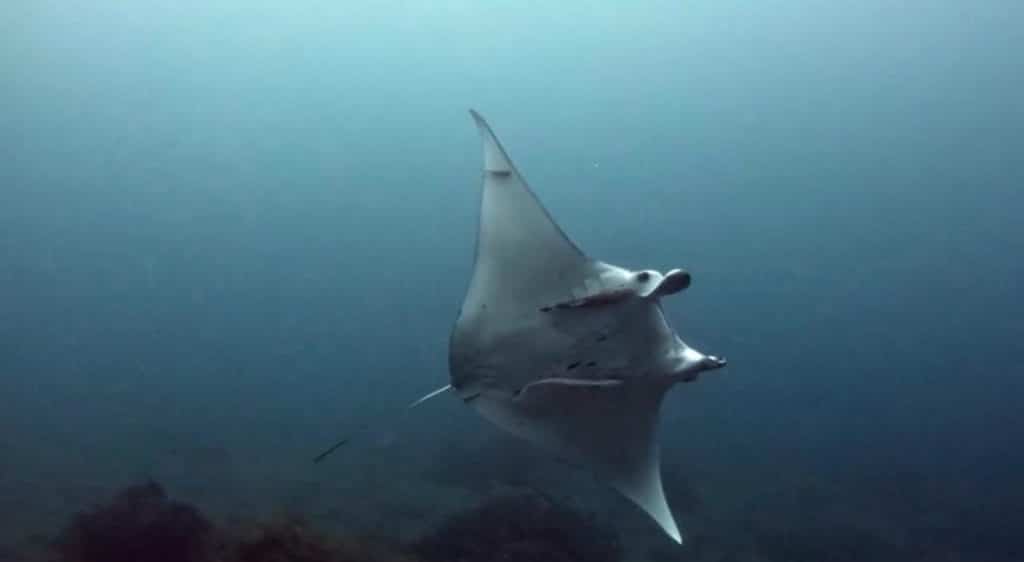

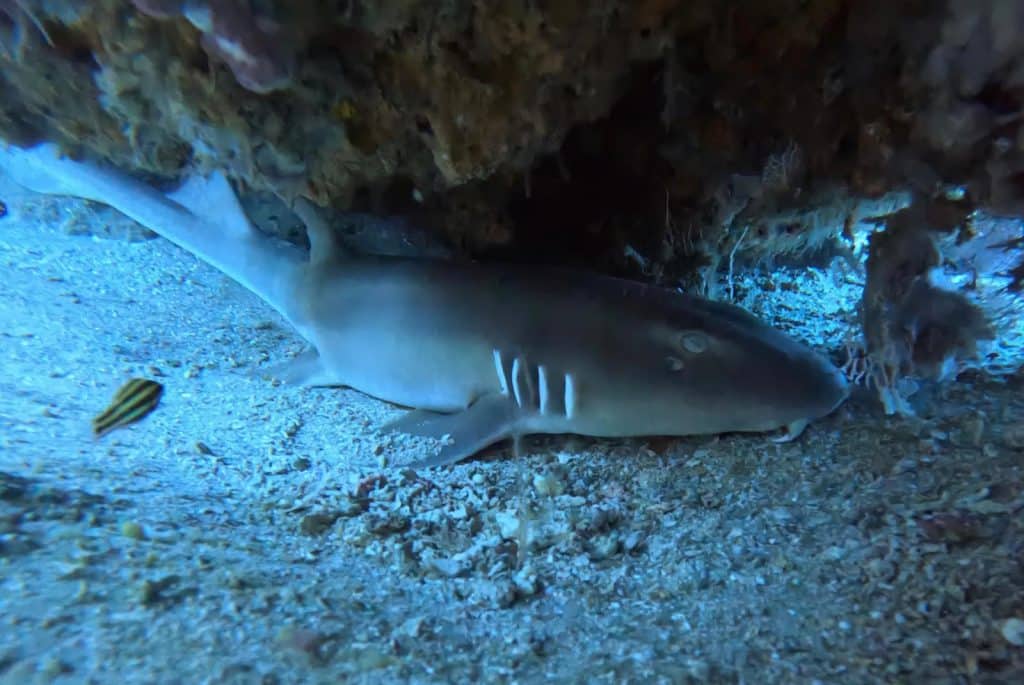
Snapshots from MCP volunteers in the last couple of months.
The Case for Recovery: A Second Chance
For a long time, many of these species were victims of “local extinction”. Historically, intense fishing pressure (both targeted and as bycatch) thinned out the populations of slow-growing sharks and rays.
The recent surge could be the fruit of better management. Whether it’s the establishment of Marine Protected Areas (MPAs), a big reduction in shark finning, or simply a shift in local fishing culture towards ecotourism (such as the diving industry), these animals are finally being given the space to return.
When we see apex predators like sharks, it’s often a positive “reef health indicator.” Their presence suggests a functional food web – large predators need a healthy population of reef fish to support them. It also suggests habitat stability, as resident species like bamboo sharks rely on healthy substrate and seagrass for hunting. If they are staying, it means the “house” is somewhat in order.
The Climate Wildcard: The “Shifting Blue”
While we would love to credit marine conservation, we cannot ignore the elephant in the water: climate change. The ocean is warming, and as a result, marine life is on the move. We may not be seeing more sharks globally; we might just be seeing them here.
As traditional feeding grounds elsewhere become too warm, mobile species like whale sharks and manta rays may be forced to scout for new territory or migration routes. This phenomenon, known as range shifting, means our local reefs might be becoming a “climate refuge”.
Furthermore, changing currents and rising temperatures can alter the distribution of plankton and baitfish such as sardines. In fact, in 2026, we’ve also seen an increase in sardines on our local reefs, with some divers even experiencing a full sardine run! If our local upwellings are suddenly richer in nutrients due to shifting thermal patterns, the giants will follow the food. In this scenario, the increase in sightings isn’t necessarily because the reef is “healed”, but because the ocean’s pantry has been moved.
Recovery or Response?
The reality is likely a bit of both. We are seeing a “perfect storm” where reduced fishing pressure is meeting a shifting environment.
To tell the difference, we look at the residents versus the visitors. The return of sedentary species like bamboo sharks is a strong indicator of local reef health – they don’t travel far, so if they’re thriving, the reef is providing. The increase in transient species like whale sharks, however, tells a broader story of oceanic shifts.
Why It Matters
Regardless of the “why”, the presence of these elasmobranchs is a gift. Sharks and rays are ecosystem engineers. By patrolling the reefs, they keep prey populations in check, preventing smaller predators from overgrazing the algae-eating fish that keep coral populations healthy.
Their return provides a golden opportunity. If this is reef recovery, we must protect it. If this is a climate shift, we must ensure our reefs remain a high-quality sanctuary for these climate refugees.
In a rapidly shifting blue world, the sight of a shark or ray on our local reefs isn’t just a highlight of diving in the Philippines – it’s a powerful testament to marine resilience and a living reminder that the story of our ocean is still being written.
Stay Updated
Want to stay up to date with our elasmobranch sightings? See our latest rare encounters and reef updates by following us on Instagram and Facebook!