Hosting Youth From International Boarding School
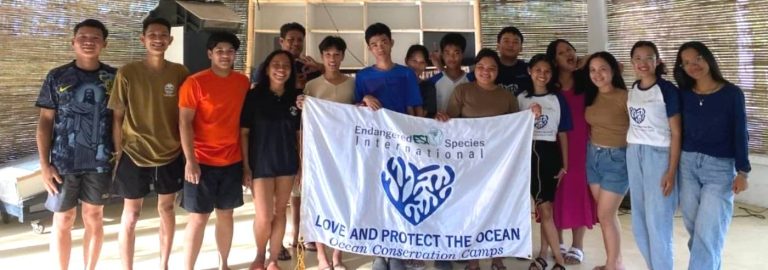
We have been working with our first group of volunteers, Ranum Efterskole from Denmark. Since they came a whopping 36 at once, that made it a bit of a challenge. But with the weather on our side, very enthusiastic volunteers and a lot of different activities we made it a successful program. We were very happy with the final result and we are sure the students had the same feeling.
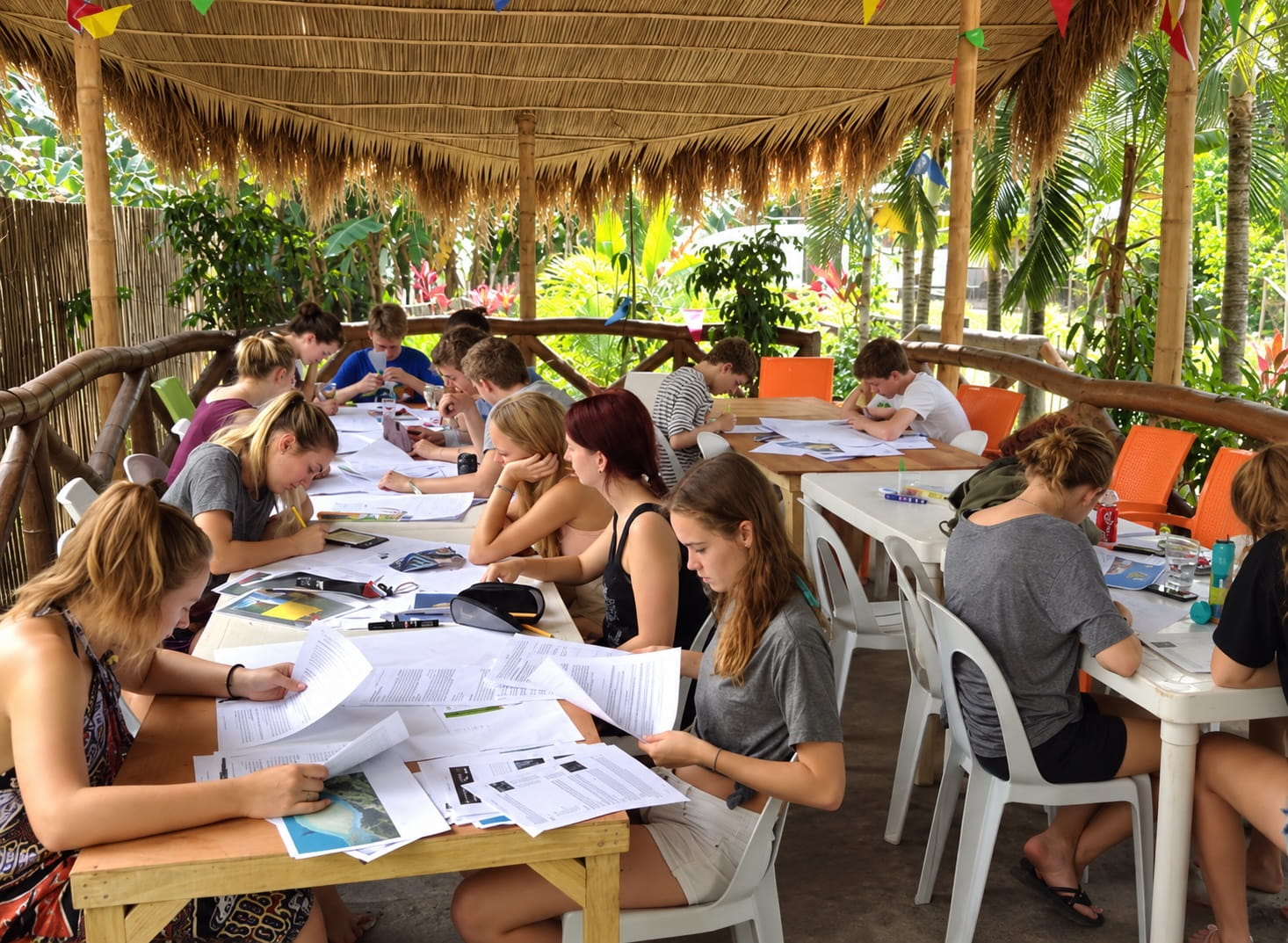
All students were 15-16 years old and part of them had already learnt to dive on their first diving trip to Malta six months previously. The other half enrolled in the PADI Open Water or the PADI Advanced Open Water course. For the students who could already dive, we organized a biology program. In this 3-day program, students learned to identify several fish species as well as a number of invertebrates, like different species of sea urchins and sea cucumbers. During a timed swim (a fixed amount of minutes swimming on the same depth) and later along a transect line, the students recorded all the species on clipboards.
Another exciting activity was the night dive. Nobody (except the instructors of course) had done a night dive before, and like all people who have been night diving, the world looks a whole lot different compared to during the day. Animals you rarely see during the day come out at night. Crustaceans are much easier to spot, nocturnal predators come out while a lot of the fish stop moving because they are sleeping. You see crabs and hermit crabs scuttling around everywhere and the coral looks really different because they feed at night and have their tentacles out.
Our last diving day was at Apo Island. The west side of the island has beautiful healthy corals and a lot of fish and other creatures, like turtles and sea snakes, while the reefs off the eastern part of the island were severely damaged by the typhoon a few years ago. We stuck to the western side and were rewarded with a lot of beautiful sightings, both of the coral and the (big) fish. Above water we were lucky as well, because the sun was shining strongly. A bit too strongly perhaps for some, as many students who hadn’t heard us shout to lather up came back with painful-looking red backs.
Although most would have loved to only dive, the trip also had a cultural part, starting with a visit to two schools in Zamboanguita. A municipal dump truck, kindly offered for our use by the local community, picked everyone up. Based on the laughs and looks of everyone, it’s a safe assumption that this mode of transport differs from the normal public transport in Denmark. The locals thought it was funny as well and our motorcade turned into quite the local attraction that day.
The Filipino students were really enthusiastic about the visit, and many locals living in Zamboanguita made positive remarks about the visit. The considerable cultural differences made for interesting conversation, and Danes and Filipinos alike had an eye-opening experience.
The small city of Dumaguete was visited several times by everyone. Dumaguete perhaps isn’t too interesting, but at least you can buy some souvenirs and visit the McDonald’s to try out the Filipino best-seller McSpaghetti. Several students decided to buy local souvenirs and came back with ukuleles. We give full props for the enthusiasm, but perhaps quietly wish they’d get a little more practice before they return to Marine Conservation Philippines next year.
All in all, it was a great 10 days and we are sure that everybody enjoyed it as much as we did! If you are a teacher looking for relevant placements for your classes to do ecological fieldwork, please feel free to reach out.
Editor’s note
All photographs in this post are used with the permission of the students and their school, Ranum Efterskole. MCP’s approach to keeping children safe and retaining their dignity on our programs is set out in full in our Child Protection Policy, and is reflected throughout our site.