International Coastal Clean-up Day 2017
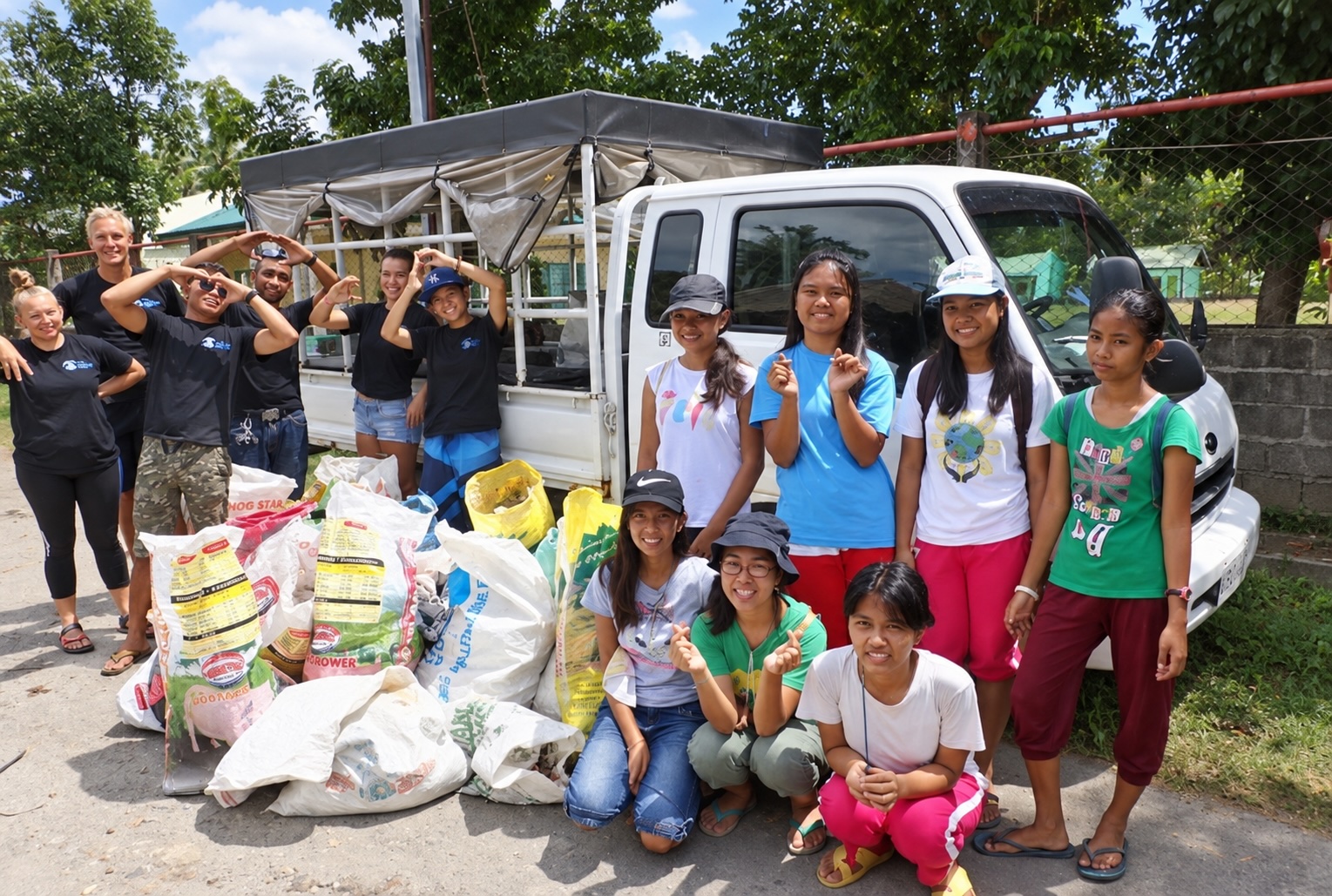
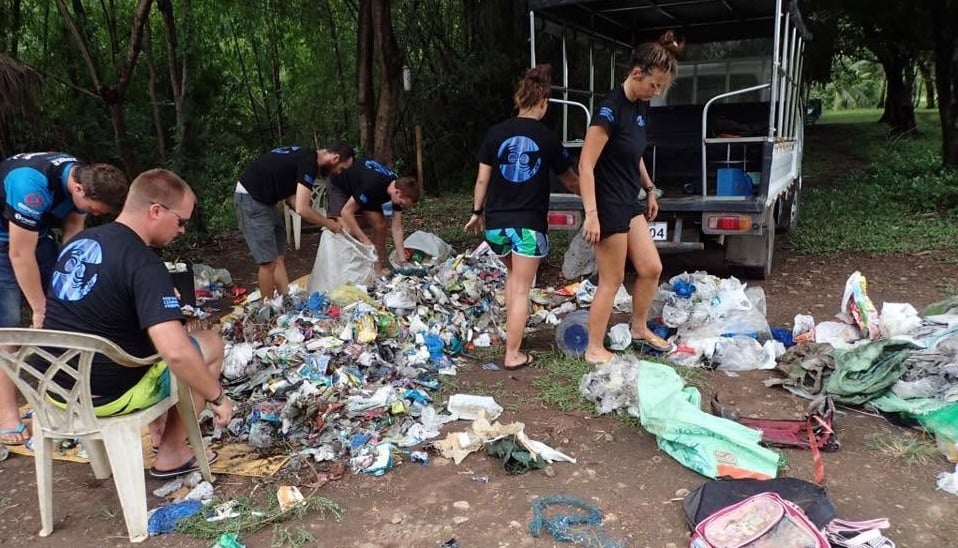
Saturday the 16th of September was a big event for the environment. Every year, the 2nd or 3rd Saturday of September is International Coastal Clean Up Day. This day is internationally dedicated to addressing and bringing awareness to the problem of plastic waste and ocean pollution. Everywhere in the world, people meet up with one goal: taking action to prevent more plastic from entering the ocean. At MCP, we put a lot of heart and effort into cleaning our regional beaches and ocean. Dive and beach clean-ups are an important part of our activities each week. During this year’s International Coastal Clean Up, we collected more trash from our local beaches in one day than we have collected in a single day ever before. From just 5 locations, 594kgs of waste was collected and sorted hand in hand by our volunteers and the local communities. Shockingly, over half of it was plastics. That left us with mixed feelings — joy and determination at seeing people mobilize, but also real concern at the sheer quantity of plastic waste.
Plastic waste, a major threat for the oceans.
Our oceans are endangered. Threats are coming from various directions (sadly mainly human influences, such as climate change, over-fishing, sedimentation, mining, pollution, etc.) but one of the most alarming is definitely ocean waste. Every year a staggering 8 million metric tons of garbage enters our oceans source: Oceanconservancy.org, 80% of which comes from land based sources source: Eunomia.co.uk. Without any intervention (such as reducing our waste), this rate will double in just 10 years, warns Ocean Conservancy. According to the Ellen MacArthur Foundation, by 2050, the total amount of plastic in our ocean will be greater than the total weight of fish (source: Ellen MacArthur Foundation)! The problem with all that waste isn’t just aesthetics, it is actually threatening the ocean’s ability to maintain life.
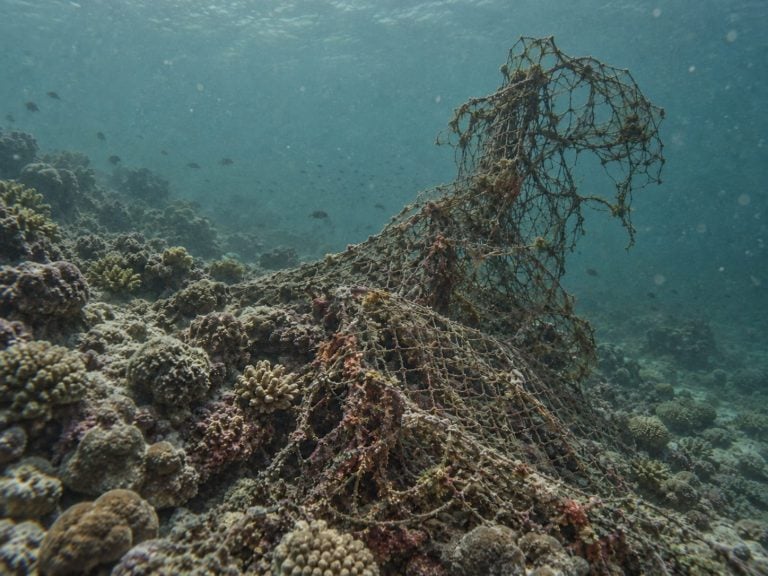
Industrially treated to fit their marketing purpose (looking pretty, smooth and durable), many objects that end up in the sea will be toxic to marine life (directly, or through affecting the pH balance of the water). Plastic is particularly problematic. It degrades slowly, breaking down into smaller and smaller pieces, being eaten by mistake by fish and other animals.
A plastic bottle takes up to 450 years to degrade source. In a day, we found 497 of them.
Plastic bags floating around are often mistaken by turtles for their favorite food: jellyfish. Confused, they swallow it but can’t digest it, and end up starving and dying because of it. Shockingly, we found 6,230 plastic bags in just one day during our coastal clean-up efforts. Just a week ago MCP took care of a young female green turtle, which was starving because of this very problem. Sea turtles are far from the only species eating plastic, though. Each year 100,000 marine creatures and an estimated 1 million sea birds die from ingesting plastic source. It is now impossible for them to avoid ingesting at least a little bit of plastic every time they eat. Even plankton, at the bottom of the food chain, have been found to ingest tiny microplastic particles. This means plastic is getting into the food chain and the sushi you eat on Saturday night or your oysters on date night contain plastic.
One billion people rely on the oceans as their primary protein source source. Many have the seas as their livelihood and loads more supplement their diet with seafood. Many more enjoy it as part of their lifestyle (food, holidays, etc.), making the problem of ocean plastic OUR problem. It’s affecting our food, our work, our health, our lives. That’s what International Coastal Clean-up Day is about.
Every year participants from more than 150 countries come together to participate in the clean up events. Since International Coastal Clean Up started, 12 million volunteers have helped clean up over 100 million kilograms of trash along 580,000 km coastline around the world source. Participation is easy. All you need to do is collect trash on a stretch of coastline, sorting out what kind of trash was collected, and register it online. Sorting and registering the trash is a crucial step to determine where the debris is coming from and possible ways to reduce it.
There is no need to wait another year to be part of the movement. Being more aware of our consumption and reducing our plastic waste is important. Refusing single use plastics is something that we can easily do on a daily basis. Do you really need a straw with your smoothie or soda for example? We found 490 straws on this year’s clean up. Take collective action: Grab a bag, go to the beach (if there is no beach near you, find a creek or a street), and start cleaning it! Here at MCP, we clean our local beaches and dive sites twice weekly. On Saturday the 16th, we got 600kgs in one day and everyone who participated should be proud of their efforts for this good cause!
Find out more about what you can do to help: visit oceanconservancy.org or check out our handy clean up kit, with lots of resources you can use to organize your own impactful events.
Editor’s note — September 2026
This article was originally published in 2017. Nine years on, we went back through every statistic in it to see how the science and the numbers have held up. The honest answer is: unevenly. Some figures have simply grown with time, one has been fairly thoroughly debunked, and one has actually become more contested rather than less. We think that’s worth explaining in some detail, because it says something real about how quickly environmental science moves, and about the danger of round numbers taking on a life of their own once they’re repeated enough times.
How much plastic actually enters the ocean each year?
The “8 million metric tons” figure in this article was, in 2017, the number everyone was quoting. It traces back to Jambeck et al., published in Science in 2015. It hasn’t been replaced by a new consensus figure so much as pulled in two different directions since. A 2021 Science Advances paper (Meijer et al.) modelled river-borne plastic specifically and came in much lower – 0.8 to 2.7 million tonnes a year – while broader UN-cited assessments that count more waste streams put the figure considerably higher, into the 12–20+ million tonne range, and some UN sources now cite even higher numbers still. The range of credible estimates is wider today than it looked in 2017, not narrower. If anything, this is the more interesting finding: measuring exactly how much plastic reaches the ocean each year turns out to be genuinely difficult, and different, equally rigorous methodologies produce very different answers.
The “more plastic than fish by 2050” claim hasn’t held up
This one we would now actively avoid repeating. It traces to a single 2016 Ellen MacArthur Foundation/World Economic Forum report, which extrapolated the 2015 ocean-plastic figure forward at a fixed annual growth rate, against a fish-stock estimate that was simply assumed to stay flat out to 2050. It has since been fact-checked repeatedly and found wanting — one of the original fish-stock study’s own co-authors has said he no longer stands behind the numbers the projection leaned on. It’s a good reminder of how a single modelled scenario, presented with a confident headline number, can outrun its own evidence once it’s picked up by enough news outlets.
The cleanup itself has grown
This is the more straightforwardly good news. The International Coastal Cleanup, which this article and our own event were part of, has kept going. In 2017 it stood at roughly 12 million volunteers and over 100 million kilograms collected since 1986. Marking its 40th anniversary, those totals now stand at nearly 19 million volunteers and more than 400 million pounds (over 180,000 metric tonnes) of trash removed. Our own clean-up efforts here in Zamboanguita and Siaton are part of that same, still-growing total.
And closer to home
This article’s stats are all about the global picture. If you’re curious what nine years of this kind of monitoring looks like on our own reefs specifically, our science team’s recent report, Below the Surface: What Our Surveys Reveal About Marine Trash, digs into exactly where the trash on our local reefs comes from, and why.
We’ve left the original article’s numbers untouched above, since they were accurate reporting of what was known and commonly cited in 2017. Where we’ve updated a source link within the article itself (rather than just discussing it here), it’s because we found a more current or authoritative version of essentially the same claim, not because the original figure was wrong for its time.


The efforts of Marine Conservation Philippines MCP to protect and save our oceans through coastal cleanup is indeed commendable.. sana dumami pa ang lahi nyo .. and please continue with your IEC so that more Filipinos will be aware of your advocacy hopefully gain more volunteers for the cleanup..