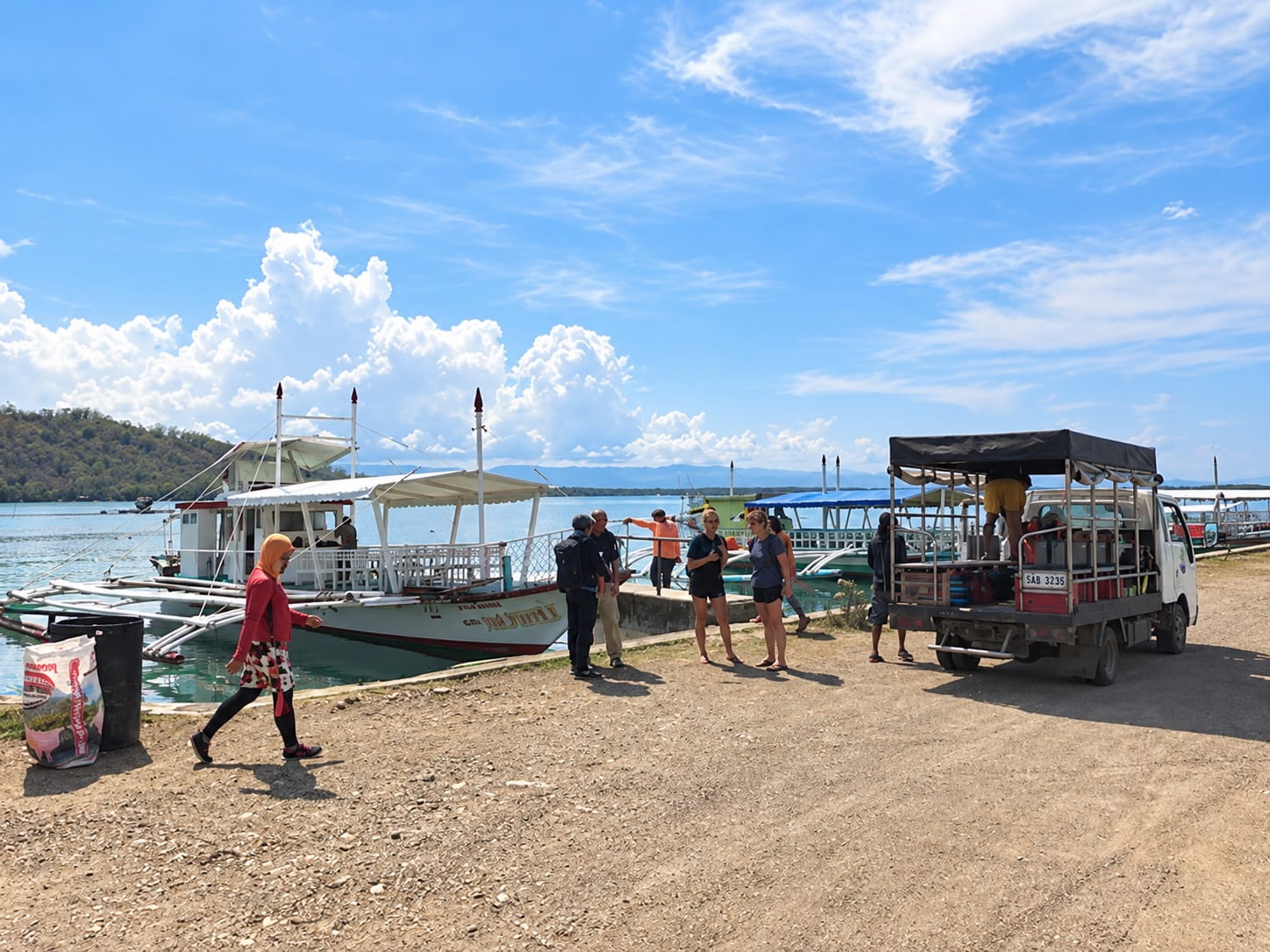
Teaching the LGU dive team in Bais
A few weeks ago, our instructor Kyle and a group of divemasters in training had the pleasure of rising early and driving up the coast to Bais City, where they met a group of government employees who had come down to MCP a few months prior to complete the Open Water Diver course. That course was the first step in training them to a point where they can one day independently monitor the status of their own MPA. Similar efforts are currently ongoing with other municipalities.
Bais sits on the edge of the Tañon Strait, the largest protected seascape in the Philippines and one of the most biologically rich stretches of water in the country, home to roughly a dozen of the two dozen or so dolphin and whale species recorded nationwide, alongside extensive coral reefs. Like most Philippine MPAs, the ones in and around Bais are managed at the municipal level, which means their long-term success depends heavily on local government staff having the skills to monitor and enforce them directly. Training programs like this one are part of MCP’s broader coastal resource management work with local government units across the region.
The idea of this trip was to get the team back in the water, refresh some skills, and have some fun exploring the local MPA along the way. The guys from Bais were beyond excited to be diving again, and since it was also the first time they’d been underwater on their home turf, it made for an especially exciting experience.
As far as the training went, we started the morning with some briefings, going over the skills we’d be reviewing and delivering some friendly reminders on buoyancy technique and anything else that may have slipped since their last time in the water.
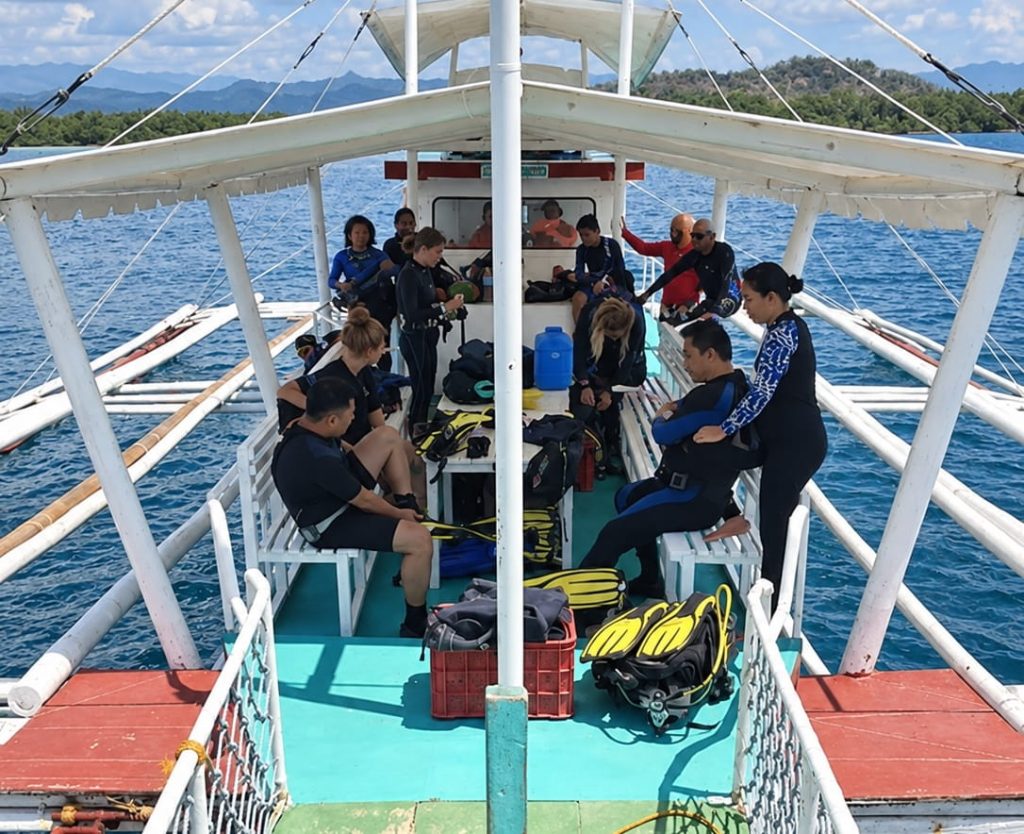 The plan was to work through the basics: regulator recovery, mask removal and replacement, hovering, and from there focus on good trim and buoyancy control, essentially a condensed version of the same boot camp we run for new MCP volunteers.
As we geared up and made our way into the sea, it was clear the team had gotten a little rusty after so much time out of the water. That didn’t last long, though, they worked through each skill and showed real improvement as the day went on.
By the end of the second dive, the team was looking nearly as sharp as they had when they wrapped up the Open Water course a few months earlier.
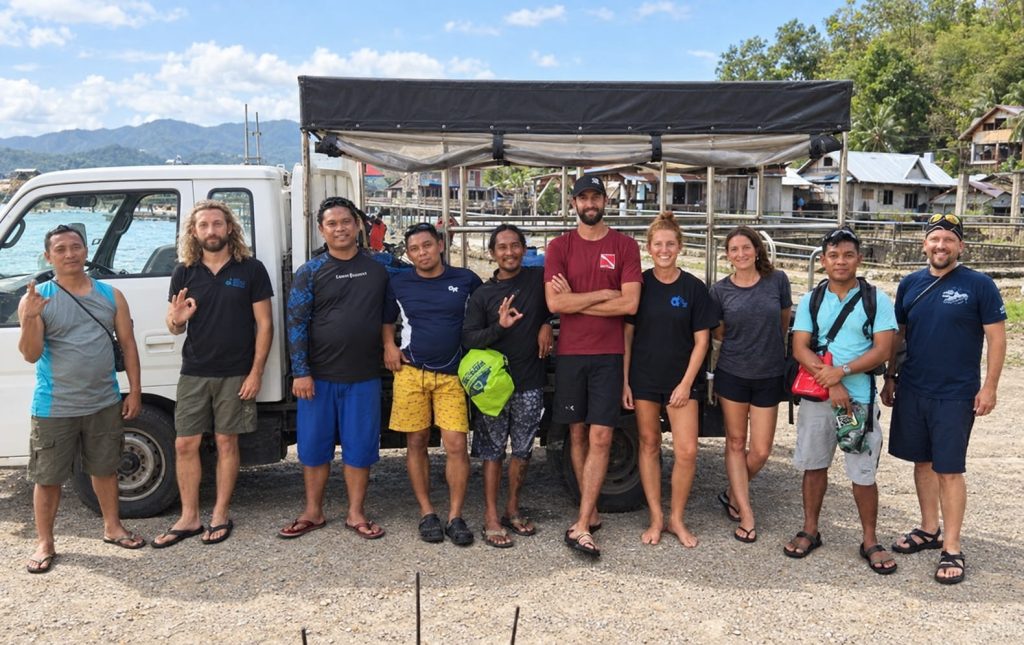 Overall, a very successful trip. Our divemasters are looking forward to diving with this fantastic group again as they continue their training, with the Advanced Open Water course scheduled for late August or September. From there, the goal is to keep building toward the kind of scientific monitoring skills MCP’s own survey teams use, so that Bais, like our other partner municipalities, can eventually track the health of its own reef independently.
Editor’s note – September 2026
Bais has since become one of five municipalities, alongside Amlan, Tanjay, San Jose, and Sibulan, in the BATaSS Alliance, a formal partnership through which MCP now provides ongoing diver training and technical support for joint conservation work across their MPAs, including ghost net removal, MPA demarcation, and underwater clean-ups. You can read more about this on our achievements page.

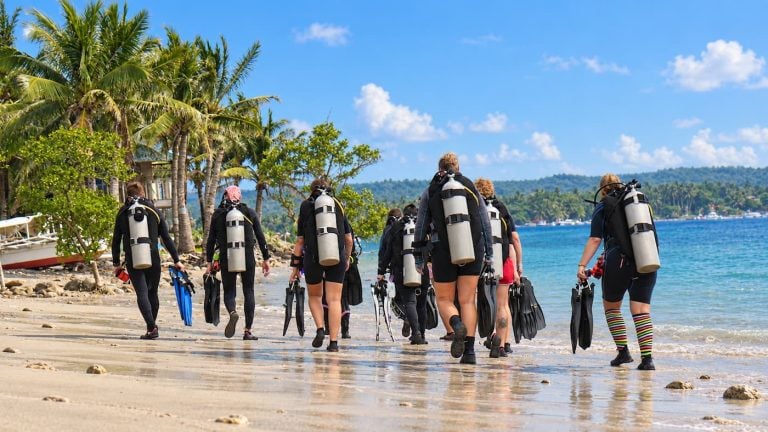

Good work guys, we are also involved in training the LGU here in Alegria, Cebu, its so important to monitor the reefs and help protect them