Marine Life Spotlights
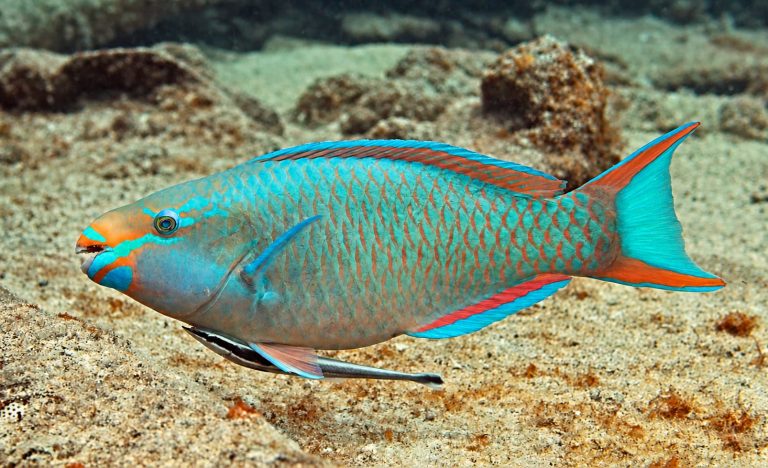
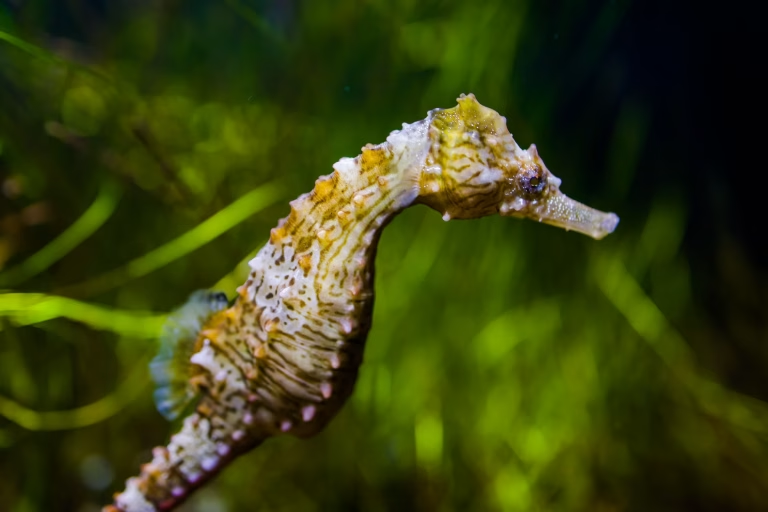
A single parrotfish can turn a significant amount of coral into sand over the course of a year, grazing algae off the reef and excreting the leftover calcium carbonate as some of the white sand that ends up on the beach you're standing on. That's the kind of detail this section tries to dig up, not just which species live on our reefs, but what they're actually doing there, and why it matters beyond being nice to look at. We've covered the pipefish and seahorses that turn up on muck and rubble dives if you know where to look, and giant clams, which sit still enough to be mistaken for décor but are far more ecologically significant than their stillness suggests. All of it comes from direct observation on our own dive sites rather than recycled from somewhere else, a mix of reef regulars everyone already knows and species that rarely get much attention.
"I was so taken aback by the spectacle before me, I forgot, momentarily, to breathe." David Attenborough, on his first dive on the Great Barrier Reef, 1957What a site's fish and invertebrate life looks like, closely, tends to say more about that reef's health than a single glance at the coral ever could.