Exploring Basay’s coastline
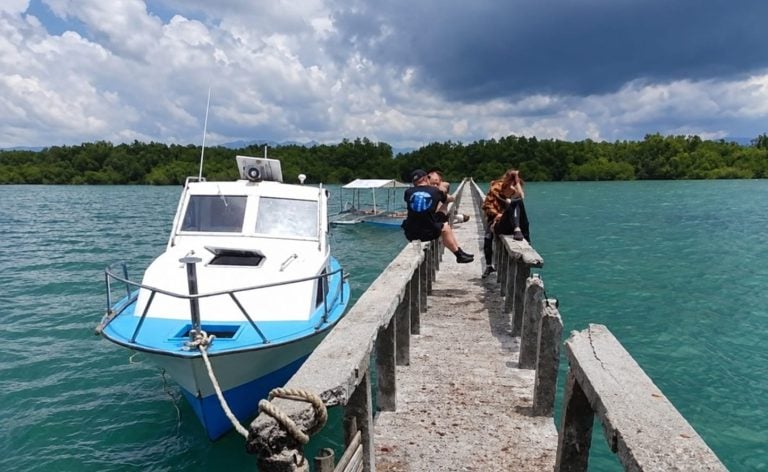
For those of you who are not familiar with Basay, it is the westernmost municipality of Negros Oriental, facing the Mindanao Sea, about a two hour drive from MCP (the name comes from the old Visayan word “busay,” meaning spring or waterfall). It is a gorgeous, little coastal town surrounded by rice, sugar cane and corn fields, with spectacular forested mountains just behind. With a Marine Protected Area of 40 hectares fringing the coastline, we were about to find out what Basay had to offer.
MCP had an exciting opportunity to visit this stunning part of the country. Rico, the Fisherfolk President of Andulay and President of the Fisherfolk Association of Negros Oriental, had kindly invited us to assist Basay with photographing their local reef. We were delighted to help the local barangays and community explore their “enchanted” coral reefs and coves, to discover and photograph what wonders were found under the surface. We also wanted to help promote eco-friendly tourism.
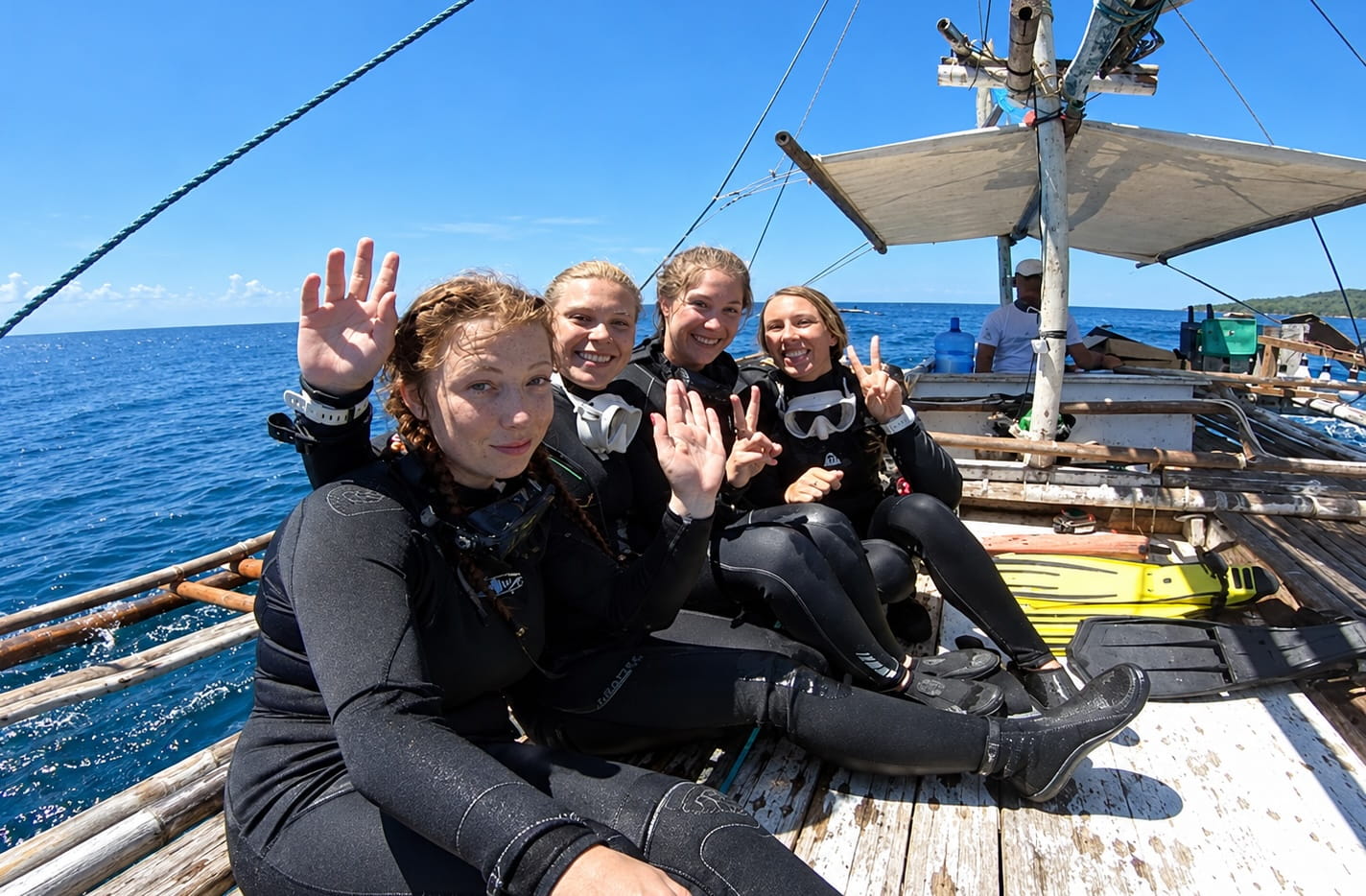
At 5.30am, three divemaster trainees, Nina, Grace and Helene, and I packed our gear and the extra supplies we’d need for the trip. We drank enough coffee to last us the journey and were on the road just in time for sunrise. Driving south along the coastal road from MCP, on to Siaton and up around Bayawan, we arrived at 8.30am ready for a morning briefing (and more coffee). We were struck by the community’s welcome and the beauty of the area. Rico briefed us on the MPA and what we could expect to see. After a boodle fight breakfast, a Filipino barehanded, standing, help-yourself buffet, we kitted up and jumped in alongside divers from Siaton.
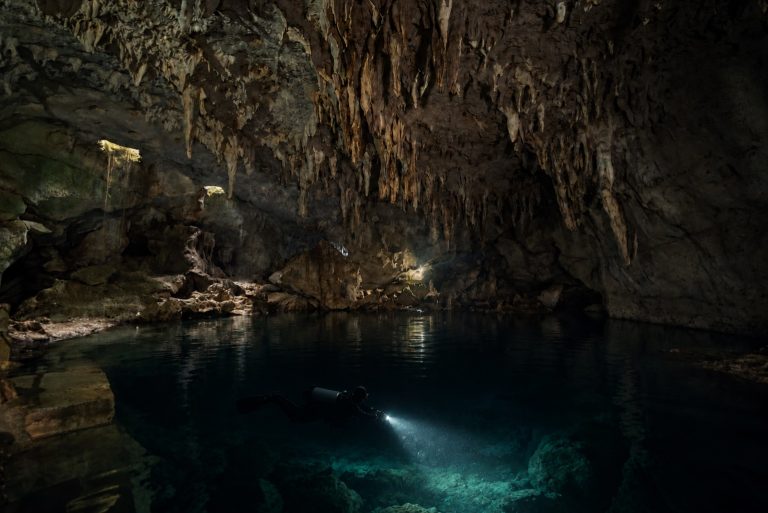
After we descended, we were struck by the mountainous reef landscape, with coral towers as tall and wide as two-storey houses, crevices, swim-throughs and dark overhangs throughout the whole dive. The latest MPA assessment by the DENR had documented bamboo sharks here, which we were hoping to see, but with limited exploration time we didn’t manage it this time. It’s certainly the type of reef where you’d expect to find them. We were most impressed by the hard and soft coral cover, huge table corals stretching out, and high numbers of fish and invertebrates. It’s hard to convey the size of the giant clams we saw tucked into the substrate (the largest species, Tridacna gigas, is now listed as Critically Endangered on the IUCN Red List, having declined by an estimated 84% mainly from overharvesting for their meat and shells), spiny lobsters hiding in the walls of the coral towers, and many different species of nudibranch, some I’d never seen before. We even saw a huge triton alive (super rare to see unfortunately, and one of the few natural predators of the crown-of-thorns starfish we’ve had to remove by hand elsewhere). We had fusiliers circling around us, peacock groupers shying away, many different species of parrotfish, wrasses and snappers, all signifying a healthy reef. We were also pleasantly surprised by how little trash, fishing line or anchor damage we saw.

Even though the visibility wasn’t as good as it could have been, we were still mesmerised. My favourite part of the dive was coming up to our safety stop, hovering over these stunning towers with the light coming through, trying to peek down into the cracks to see what we could find. The crew, our surface support, free dived down to proudly point out corals and marine life, making sure we saw it all before ascending.
We ended our day with a huge thank you from Rico and the community of Basay, and drove back with the memory cards full and the sun setting behind us.
Until next time, Basay.
Aoibheann Gillespie-Mules