First data results since the pandemic
Along with the rest of the world, the COVID-19 pandemic was a severe disruption for MCP, and our activities were suspended from March 2020 until February 2022. We tried to use the down time to improve and refine our operations for when we could resume, and we’ve expanded our monitoring horizons to include additional survey sites. Excitingly, new Marine Protected Areas (MPAs) have also been established. This is wonderful, encouraging news for our mission to help ensure food security for local communities.
We’re very happy to share that we’ve just finished our first complete survey season, which ran from June to September. A massive shout-out and thank-you to all the volunteers who helped make it happen. We couldn’t have done it without you! The data is available on our data portal, and reports for the municipalities of both Siaton and Zamboanguita are available as articles on our website already.
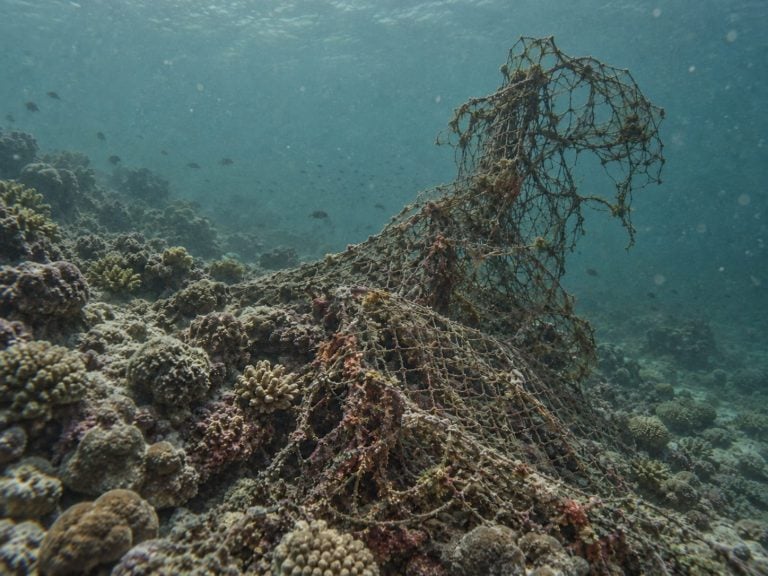
Over those busy three months, we monitored 13 sites and conducted over 500 surveys, cataloguing coral and substrate cover, fish biomass and invertebrate numbers. We also continued tracking threats to the reef such as marine debris (here’s looking at you, plastic) and Crown of Thorns sea stars, a coral-eating starfish that can strip a reef bare during population outbreaks if left unchecked.
All of the data is being shared with local and regional government teams to empower them to make informed decisions that ensure local reefs, and the incredible diversity of life they support, are given the protection they need to flourish and thrive. In turn, this means that the many communities that have relied on them for food and livelihoods over generations have sustainable means to support themselves into the future.
As if all that wasn’t enough, we’ve also assisted master’s students from Silliman University (one of the best in the Philippines for marine biology) with their research into local fisheries, led beach and dive clean-ups all along the coast, built local community capacity by training members of the government’s environmental department to dive, and assisted with the repair and maintenance of the buoys that mark the boundaries of Marine Protected Areas.
Unfortunately, reefs both here in the Philippines and around the world are under pressure from a variety of threats, nearly all down to unsustainable human activities. These include ocean warming and acidification due to ever-increasing carbon emissions, overfishing (often illegal), excess nutrients from agricultural runoff and pollution entering the ocean, and poorly managed coastal development.
In the three regional municipalities we monitor (Dauin, Zamboanguita and Siaton), we’ve recorded a general downward trend in the amount of fish biomass observed in both MPAs and non-MPAs. Studies indicate that a minimum fish biomass of 1,195 – 1,900 kg per hectare, or 18 – 28.5 kg per 150m2 (the unit area size of surveys at MCP), is necessary to maintain sustainable reef fish populations and support critical ecosystem services.
The recorded fish biomass for each region is as follows:
- Dauin – 32 kg per 150m2
- Siaton – 13.2 kg per 150m2
- Zamboanguita – 12.7 kg per 150m2
This gives a regional average of 16.2 kg per 150m2, unfortunately somewhat below the target of 18 – 28.5 kg per 150m2. The most likely reason for this is pressure from overfishing, though external disturbances are also possible.
However, it’s not all bad news. The municipality of Dauin enjoys a well-earned reputation as a world-class diving spot, largely due to its wonderful abundance of benthic cryptofauna, small, weird and otherwise fantastic. As such, it benefits from established, well-funded and enforced MPAs, which is reflected in the high fish biomass observed there.
Similarly, the site of Basak Can-Unsang MPA in the municipality of Zamboanguita is well known to support high fish biomass (averaging 29 kg per 150m2 since 2019), a beacon of productivity in a municipality that averages 12.7 kg per 150m2. Like Dauin, it also benefits from a high level of maintenance, enforcement and community backing. These two examples in particular highlight the effectiveness of well-managed MPAs, and there’s no reason this can’t be replicated elsewhere, especially if the financial benefits of thoughtful tourism can be harnessed (with this in mind, we’ve also expanded our monitoring program to include fascinating critters that might entice divers to these lovely waters). It should also be noted that despite the majority of MPAs falling short of suggested targets, they are still supporting higher fish biomass than non-MPAs, illustrating their value as a tool for ensuring food security, provided they are managed effectively.
Key to all of this is the engagement and support of the local stakeholders we work with. One of the fundamental tenets of Marine Conservation Philippines is to serve the community, and it is only by doing so that we can meet our conservation goals. In a world of massive, human-made problems, this highlights the power of small-scale, human-made solutions. We can’t do what we do without passionate volunteers who learn scientific diving and help drive our marine monitoring. Very big thanks and appreciation to everyone who’s come and helped us get off the ground in 2022.
Editor’s note 2026: This was our first full survey season back after the pandemic, and the picture has kept evolving since. Our monitoring effort itself has grown substantially: we now run four separate survey methodologies (fish, substrate, invertebrates and predation) each season, and recent reporting periods have logged well over 1,700 surveys, more than three times the 500 surveys covered in this original post.
The downward pressure on fish biomass we flagged here has, unfortunately, continued in places. In Zamboanguita, average commercial fish biomass has continued to slide in more recent reporting periods, and Basak Can-Unsang, the standout MPA we highlighted above, is still Zamboanguita’s best-performing site, but at noticeably lower biomass levels than the 29 kg per 150m2 average (and historical highs of over 70 kg per 150m2) it once supported. Siaton has seen a similar decline over the same period.
The full, current picture, broken down by municipality and site, is kept up to date on our data portal, along with the semiannual reports in our articles section.