
Fieldwork & Monitoring
Most standardized reef monitoring protocols are built to be comparable across the globe, tuned to measure things that matter everywhere a little, rather than what matters most in one particular place. Ours has drifted from methods like Reef Check on purpose, broad reef health indicators don't capture commercial fish biomass well enough to answer the food security questions that actually drive monitoring decisions on this coastline, so that's what we measure instead. This section is the record of that fieldwork, survey results and methodology notes from our fish, invertebrate, and coral cover surveys across Zamboanguita, Siaton, and Santa Catalina, including the occasional correction when new data changes our read on something. Much of it is written from the boat or the dive site rather than the office, often by the international volunteers trained through our citizen science program who do a lot of the actual counting. It's also, unavoidably, a record of the unglamorous coordination behind it, tide charts, boat schedules, keeping a long-term dataset running across three municipalities with a small team.
"No water, no life. No blue, no green." Sylvia Earle, oceanographer and former NOAA chief scientistData collected once is an observation. Data collected the same way, at the same sites, for years, is the only thing that actually tells you whether a reef is recovering, and that's what this section is quietly building toward.

Welcoming the Reefie sensor array
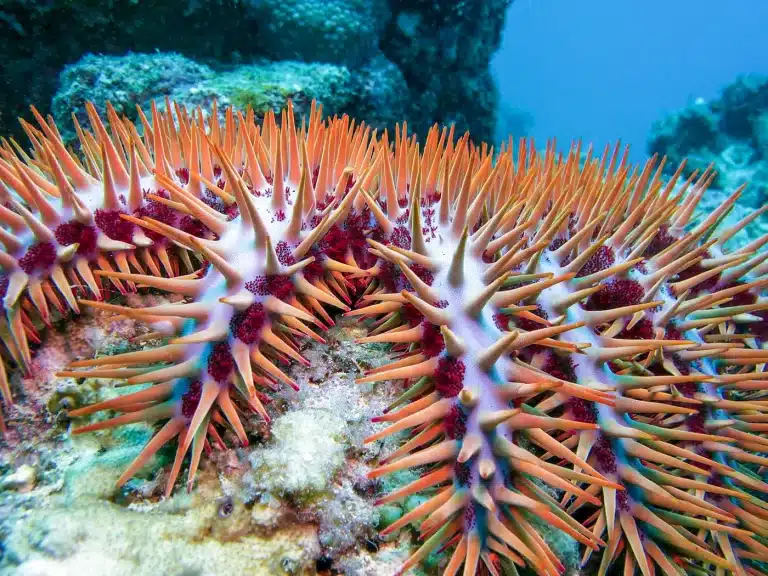
Spines, Stars, and Surveys: Managing a Crown-of-Thorns Outbreak
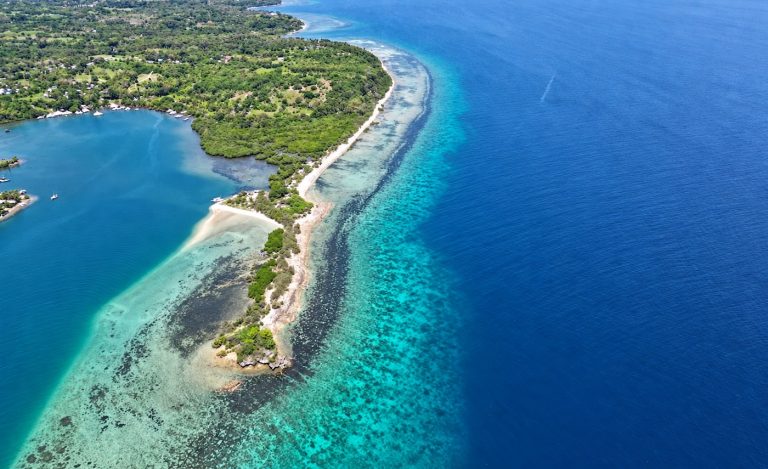
Eyes in the Sky: Drone Mapping for Reef Conservation

COTS Survey: Assessing a Possible Outbreak

First data results since the pandemic
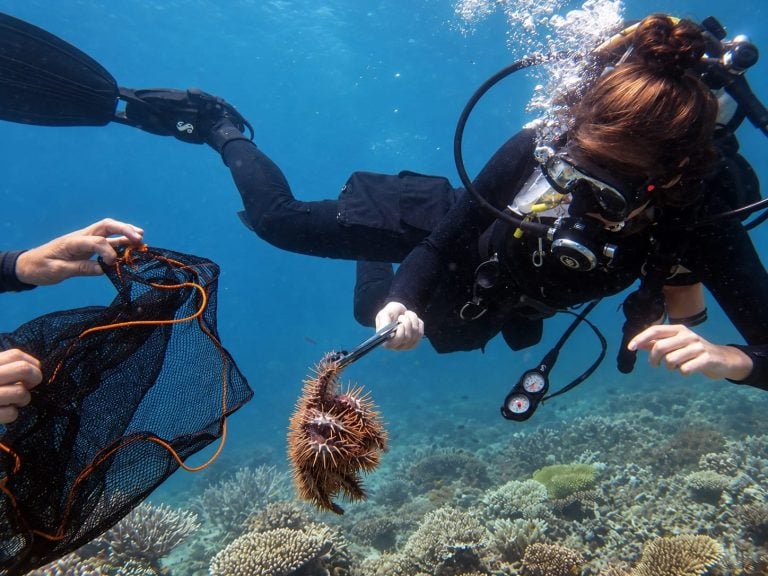
Crown of Thorn removal in Andulay
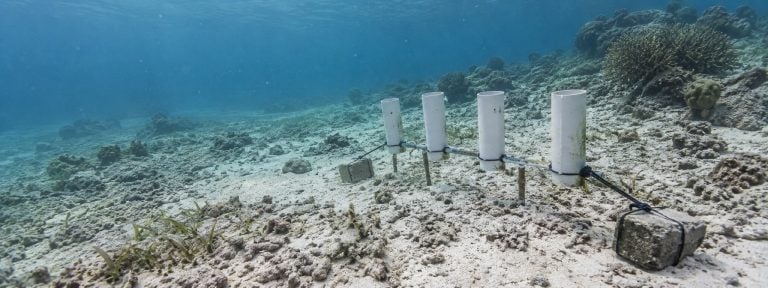
Trapping Marine Sediment
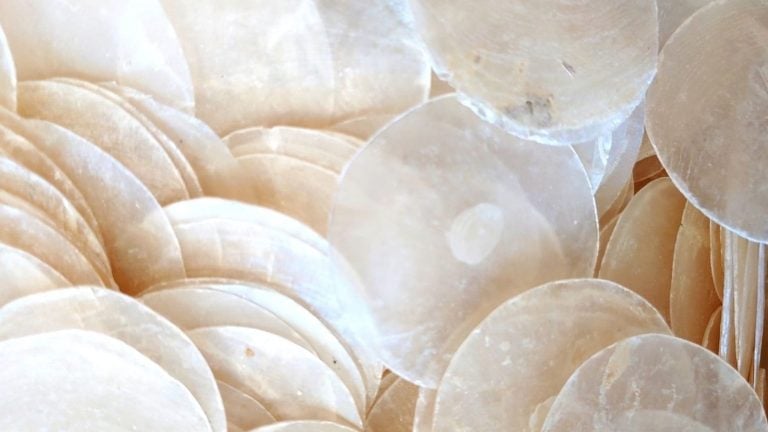
Surveying for windowpane oysters